

The cost of a mold inspection on Long Island depends mainly on the size of the property, how many areas need to be inspected, whether mold sampling is necessary, how difficult the suspected areas are to access, and how detailed the assessment needs to be.
There is no single required price for a mold assessment in New York. The New York State Department of Labor recommends getting estimates from different companies and understanding exactly what any additional testing will cost and what it is intended to show.
For homeowners in Nassau County and Suffolk County, understanding these cost factors can make it easier to compare mold inspection quotes fairly.
How Much Does a Mold Inspection Cost on Long Island?
Current Long Island pricing guides commonly place a standard residential mold inspection or assessment in the roughly $300 to $600 range, although more involved inspections can cost more. Inspections that include multiple air or surface samples, laboratory analysis, larger properties, or several problem areas may move well beyond that range.
Nationally, 2026 cost data from Angi places mold inspections at roughly $303 to $1,075, with property size, accessibility, and laboratory testing among the main variables.
Those numbers should be treated as general estimates rather than a guaranteed quote for a specific Long Island property.
1. The Size of the Property
A larger house normally takes longer to inspect than a small apartment or single-story home.
An assessor may need to evaluate areas such as:
- Basement
- Attic
- Bathrooms
- Bedrooms
- Kitchen
- HVAC areas
- Utility rooms
- Crawlspaces
- Previously water-damaged rooms
More square footage generally means more inspection time and potentially more areas requiring moisture readings or closer investigation.
That is why a small targeted inspection may cost less than a whole-house mold assessment.
2. How Many Problem Areas Need to Be Checked
There is a major difference between inspecting one suspicious bathroom wall and investigating moisture problems throughout several areas of a home.
For example, you might have:
- A musty basement
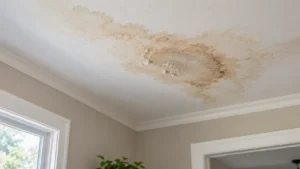
- Water staining in an upstairs ceiling
- Mold around an HVAC vent
- A previous bathroom leak
- Moisture near a foundation wall
Each additional concern can increase the amount of time required to determine whether the issues are related or separate.
The more complicated the moisture history, the more involved the assessment may become.
3. Whether Mold Testing Is Needed
One of the biggest variables in mold inspection pricing is sampling and laboratory testing.
A mold inspection and mold testing are not necessarily the same service.
An inspection focuses on finding visible mold, moisture problems, and conditions that may support mold growth. Testing may involve collecting air or surface samples and sending them to a laboratory.
Additional samples usually increase the final cost because they require:
- Sample collection
- Testing materials
- Laboratory analysis
- Interpretation of the results
4. The Number of Samples Collected
When testing is appropriate, the number of samples can significantly affect cost.
A simple investigation might require only a few samples, while a larger property with several suspected problem areas could require more.
Sampling could include:
- Indoor air samples
- Outdoor comparison samples
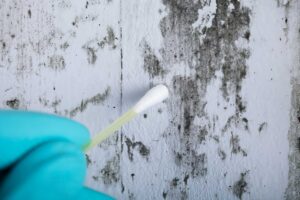
- Surface swabs
- Tape-lift samples
- Samples from different areas of the property
Each sample may carry its own collection and laboratory cost.
Before approving testing, ask how many samples are being recommended and why each one is necessary.
5. How Accessible the Suspected Mold Is

Mold problems are not always in easy-to-reach areas.
An assessor may need to investigate:
- Attics
- Crawlspaces
- Tight utility areas
- Areas behind stored belongings
- Finished basements
- Roof-access areas
- Areas around HVAC equipment
Difficult access may increase the time and complexity of the inspection.
A visible patch of mold on an open bathroom wall is generally easier to evaluate than suspected moisture inside an attic, crawlspace, or multiple concealed areas.
6. Whether the Problem Is Visible or Hidden
Visible mold can sometimes make the investigation more straightforward because the affected location is already known.
Hidden moisture problems often require more investigative work.
For example, you may smell a persistent musty odor without seeing any mold.
The assessor may then need to investigate:
- Moisture behind walls
- Flooring
- Ceiling cavities
- Plumbing areas
- HVAC components
- Basement or foundation moisture
- Previous leak locations
7. The Property's Water-Damage History
Properties with a history of flooding or recurring leaks can require a more detailed assessment.
This is especially relevant on Long Island, where homeowners may deal with:
- Basement water intrusion
- Roof leaks
- Plumbing failures
- Storm-related water damage
- Coastal flooding
- High indoor humidity
- Foundation seepage
A home with one recent leak is different from a property that has experienced repeated water intrusion in several locations.
8. The Type of Report You Need
Not every mold inspection produces the same level of documentation.
Some situations may require a more detailed written assessment, particularly when the information will be used for:
- Mold remediation
- A real estate transaction
- Property management
- Insurance documentation
- Landlord or tenant concerns
- Renovation planning
9. Whether You Need an Expedited Report
Standard laboratory analysis and reporting take time.
If you need results quickly because of:
- A real estate closing
- An insurance deadline
- A renovation schedule
- Tenant concerns
- Upcoming remediation
you may be charged more for expedited laboratory processing or faster report preparation.
If timing matters, ask about turnaround time before scheduling the inspection.
10. Whether It Is a Residential or Commercial Property
Commercial mold assessments may be more involved than typical residential inspections.
Commercial buildings can contain:
- Larger floor areas
- Multiple HVAC zones
- Drop ceilings
- Mechanical rooms
- Multiple tenant spaces
- More complicated moisture pathways
The amount of documentation and investigation needed may also be greater.
Because of this, commercial mold assessment pricing is often based on the specific property rather than a simple flat rate.
Schedule a Mold Inspection on Long Island
If you have visible mold, musty odors, previous water damage, unexplained moisture, or concerns about hidden mold, a professional assessment can help determine what is happening before you move forward with cleanup or repairs.
All Island Mold Inspectors provides mold assessments and environmental inspection services throughout Long Island, including Nassau County and Suffolk County.
We evaluate the property, investigate moisture conditions, document relevant findings, and recommend appropriate next steps based on what is actually found.
Contact All Island Mold Inspectors to schedule a mold inspection on Long Island.