
Indoor Air Quality & Environmental Testing on Long Island, NY
Some properties need more than a surface wipe-down. After construction, remediation, water damage, soot exposure, HVAC contamination, or fine dust movement, small particles can settle on surfaces, furniture, fabrics, fixtures, cabinets, vents, and hard-to-reach areas throughout the space.
We provide environmental cleaning, disinfecting, sanitizing, HEPA vacuuming, antimicrobial treatments, odor reduction, and fine particulate cleaning for homes, properties, and interior spaces that need a more detailed level of cleaning before they can be used comfortably again.
Our cleaning services can help remove construction dust, drywall dust, fiberglass dust, soot residue, combustion byproducts, HVAC dust, airborne particulates, and post-project debris from affected surfaces and contents.
Detailed Cleaning for Dust, Residue, Odors & Post-Project Conditions
Certain projects leave behind more than visible dirt. Fine dust, residue, odors, particles, and settled debris can remain after construction work, remediation, water damage, soot exposure, HVAC contamination, or material removal.
Environmental cleaning focuses on removing those leftover conditions from the areas where they settle. This may include floors, walls, ceilings, cabinets, windows, fixtures, furniture, upholstery, curtains, fabrics, contents, and other surfaces inside the property.
The goal is to help bring the space closer to a clean, usable condition after the source of the problem has been addressed. Whether the concern is construction dust, soot residue, drywall dust, odor, fine particles, or post-remediation cleanup, detailed cleaning helps prepare the property for use, repair, occupancy, or the next phase of work.
Environmental Cleaning Services We Provide
Structural Cleaning
Detailed cleaning of building surfaces such as walls, ceilings, floors, framing, trim, cabinets, and other fixed areas where dust, particles, or residue may settle.
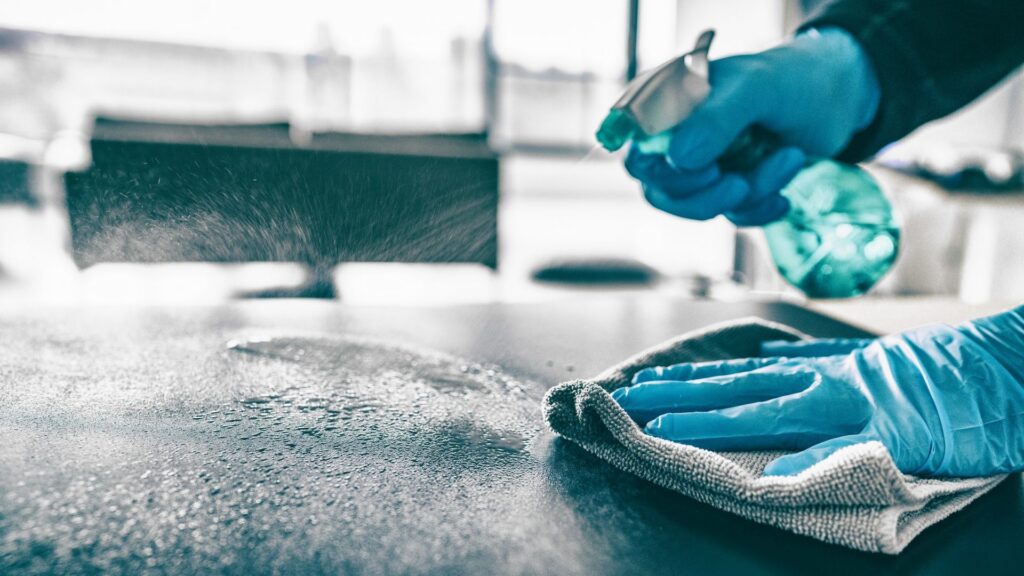
Surface Disinfecting & Sanitizing
Cleaning support for high-touch and affected surfaces using disinfecting or sanitizing methods when the property needs added surface treatment after contamination concerns, occupancy issues, or project-related conditions.
Contents Cleaning
Cleaning for items inside the property that may have been exposed to dust, residue, odor, soot, or fine particles, including household contents, stored items, and affected belongings.
Furniture, Upholstery, Curtain & Fabric Cleaning
Soft materials can hold dust, odors, particles, and residue longer than hard surfaces. Cleaning may include furniture, upholstery, curtains, fabric items, and other soft contents that need attention after exposure.
HEPA Vacuuming
HEPA vacuuming helps remove fine particles from surfaces where ordinary cleaning may not be enough. This is especially useful after construction dust, drywall dust, soot, HVAC dust, or fine particulate concerns.
Antimicrobial Treatments
Antimicrobial treatments may be used when appropriate as part of a broader cleaning or decontamination process, especially after moisture-related concerns, environmental cleaning, or surface contamination issues.
Odor Reduction
Odors can remain after smoke, soot, water damage, damp conditions, contents exposure, or long-term indoor contamination. Odor reduction focuses on cleaning affected areas and reducing the source of lingering smells where possible.
Environmental Decontamination
Environmental decontamination is used when a property needs a more complete cleaning approach to address settled dust, residue, particles, surface concerns, and post-project conditions before the space is ready for use again.
Fine Particulate Cleaning for Dust, Soot & Airborne Residue
Fine particles can spread farther than most people expect. Drywall dust, construction dust, fiberglass particles, soot, combustion residue, HVAC dust, and airborne debris can settle across rooms, inside cabinets, on fixtures, along trim, on fabrics, and over surfaces that may look clean at first glance.
Fine particulate cleaning focuses on the small material left behind after a project, event, or contamination concern. This may include detailed HEPA vacuuming, surface cleaning, fixture cleaning, cabinet cleaning, contents cleaning, and careful removal of settled dust and residue from affected areas.
This type of cleaning is especially useful after renovation work, drywall sanding, insulation disturbance, soot exposure, HVAC contamination, post-remediation work, or any situation where fine dust has moved through the indoor environment.
Post-Construction, Post-Remediation & Final Cleaning Services
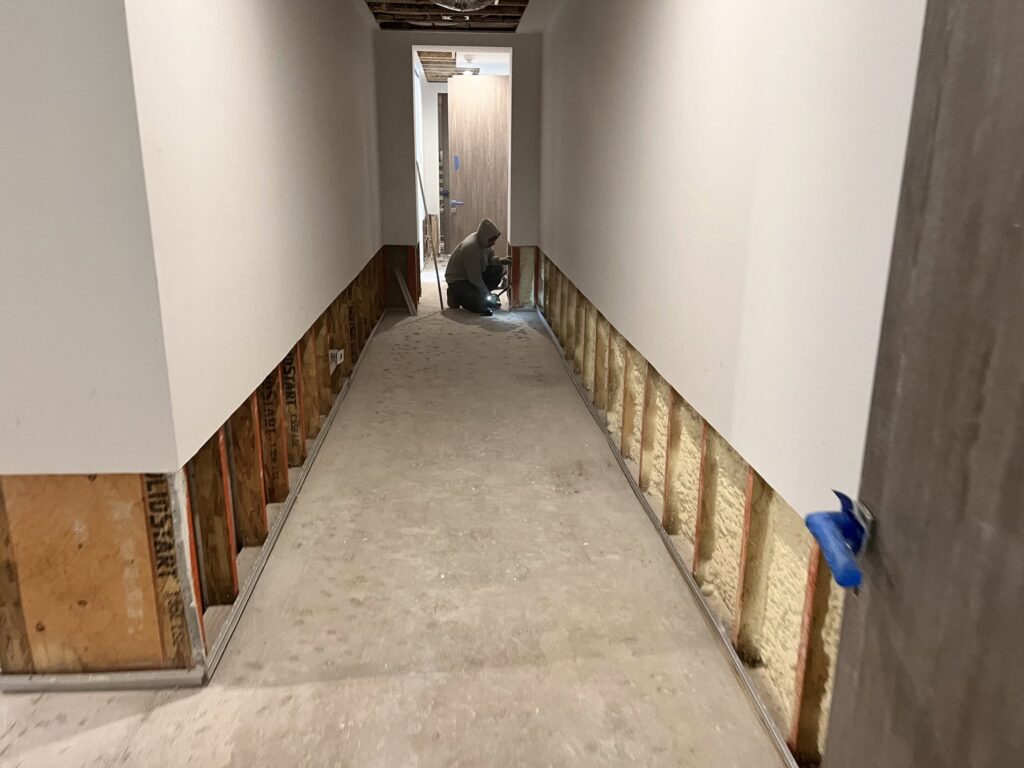
After construction, remediation, demolition, or repair work is finished, the property may still need a final cleaning before it feels ready to use. Dust can remain on windows, fixtures, cabinets, walls, floors, trim, vents, and other surfaces long after the main project is complete.
Post-project cleaning helps remove the leftover dust, residue, and fine particles that can make a space feel unfinished. This may include post-remediation cleaning, post-construction cleaning, final HEPA cleaning, detailed surface cleaning, fine particulate removal, window cleaning, fixture cleaning, cabinet cleaning, and occupancy preparation cleaning.
The goal is to help transition the property from “work completed” to “ready for use.” Whether the space has been repaired, renovated, remediated, or cleaned after an environmental concern, final detailed cleaning helps prepare the interior for homeowners, tenants, occupants, or the next phase of the project.
Structural Cleaning for Surfaces, Fixtures & Interior Materials
Dust, residue, and fine particles do not only settle on floors. They can collect on walls, ceilings, trim, doors, window frames, fixtures, cabinets, shelving, vents, baseboards, and other fixed surfaces throughout the property.
Structural cleaning focuses on the parts of the building that remain in place after the source of the dust or contamination has been addressed. This may be needed after construction work, remediation, demolition, soot exposure, HVAC dust movement, or environmental cleaning concerns.
By cleaning the surfaces and materials that make up the interior space, the property can feel more complete, cleaner, and better prepared for use, repair, occupancy, or final turnover.
Our Environmental Cleaning Process
Review the Affected Areas
Identify What Needs Detailed Cleaning
Use HEPA Vacuuming Where Needed
Clean Surfaces, Contents & Interior Details
Apply Treatments When Appropriate
Prepare the Space for Use, Turnover or the Next Phase
Why Property Owners Choose Us for Environmental Cleaning
Detailed Cleaning for More Than Visible Dirt
Fine particles can settle in places that are easy to overlook. We focus on the surfaces, contents, fixtures, cabinets, fabrics, and interior details where dust and residue may remain after construction, remediation, soot exposure, or HVAC-related dust movement.
Helpful After Projects, Damage or Contamination Concerns
Environmental cleaning can be useful after renovation work, water damage, mold-related concerns, soot exposure, construction dust, drywall dust, fiberglass disturbance, post-remediation work, or occupancy preparation.
HEPA Vacuuming and Surface Cleaning When Needed
When fine particulate is present, HEPA vacuuming and detailed surface cleaning can help remove settled particles instead of simply pushing dust from one area to another.
Cleaning That Supports the Next Step
Whether the property is being prepared for occupancy, final walkthrough, tenant turnover, repairs, remediation follow-up, or post-construction use, detailed environmental cleaning helps make the space feel more complete and ready to move forward.
Frequently Asked Questions About Environmental Cleaning & Fine Particulate Cleaning
Fine particulate cleaning targets small particles that can settle across a property after construction, drywall sanding, fiberglass disturbance, soot exposure, HVAC dust movement, or remediation work. This may include HEPA vacuuming, detailed surface cleaning, cabinet cleaning, fixture cleaning, and contents cleaning.