
Environmental Documentation & Investigation Services on Long Island, NY
When a property has moisture stains, musty odors, soot residue, HVAC dust, water damage, or an indoor environmental concern, the first step is not always cleanup or repair. Sometimes the most important step is understanding what happened, where the issue may be coming from, and what condition the property is in.
We provide environmental documentation and investigation services for moisture intrusion, indoor environmental concerns, water damage conditions, soot residue, mycotoxin concerns, HVAC contamination, thermal imaging documentation, project photo records, and project condition reporting.
Our goal is to help property owners, managers, contractors, and restoration teams make better decisions with clearer documentation before cleanup, remediation, repair, renovation, or property recovery begins.
Documentation for Moisture, Damage, Soot, HVAC & Indoor Environmental Concerns
- Moisture Intrusion Investigations
- Indoor Environmental Investigations
- Water Damage Documentation
- Thermal Imaging Documentation
- Project Photo Documentation
- Environmental Reporting
- Project Condition Reporting
- Soot Investigations
- Mycotoxin Investigations
- HVAC Contamination Investigations
Environmental Investigation Services We Provide
Moisture Intrusion Investigations
Moisture intrusion investigations help identify areas where water may be entering, collecting, or spreading through the property. This may involve stains, damp materials, recurring wet spots, basement moisture, roof leak concerns, plumbing issues, or moisture patterns behind walls, ceilings, and floors.
Indoor Environmental Investigations
Indoor environmental investigations are used when a property has unexplained odors, dust concerns, residue, visible staining, damp conditions, or other indoor conditions that need closer review before cleanup, testing, repair, or remediation decisions are made.
Water Damage Documentation
Water damage documentation helps record affected areas, visible damage, moisture concerns, thermal imaging references, and project conditions after a leak, flood, burst pipe, storm event, or other water-related issue.
Thermal Imaging Documentation
Thermal imaging documentation can help show temperature patterns that may point to hidden moisture, missing insulation, affected building materials, or areas that need further evaluation. These images can support the project record and help guide next-step decisions.
Project Photo Documentation
Project photo documentation creates a clear visual record of the property condition before, during, or after work. This can be helpful for property owners, managers, contractors, restoration teams, and anyone involved in the project.
Environmental Reporting
Environmental reporting organizes observations, photos, findings, and condition notes into a clearer format so the issue can be reviewed and understood more easily.
Project Condition Reporting
Project condition reporting helps document what the property looks like at a specific stage of the work. This may be useful before cleanup, before repairs, after remediation, during restoration, or before final turnover.
Soot Investigations
Soot investigations help review visible residue, staining, dust-like deposits, combustion byproduct concerns, or smoke-related conditions after a heating system issue, puff-back, fire event, or unexplained residue concern.
Moisture Intrusion Investigations for Hidden Leaks & Water Movement
Moisture problems are not always easy to trace. A stain on a ceiling, damp wall, musty room, warped flooring, or recurring basement issue may come from a roof leak, plumbing line, window opening, foundation seepage, condensation, or past water damage that was never fully addressed.
A moisture intrusion investigation helps look beyond the visible stain. The goal is to understand where moisture may be entering, where it may have traveled, and which areas may need further attention before repairs or cleanup begin.
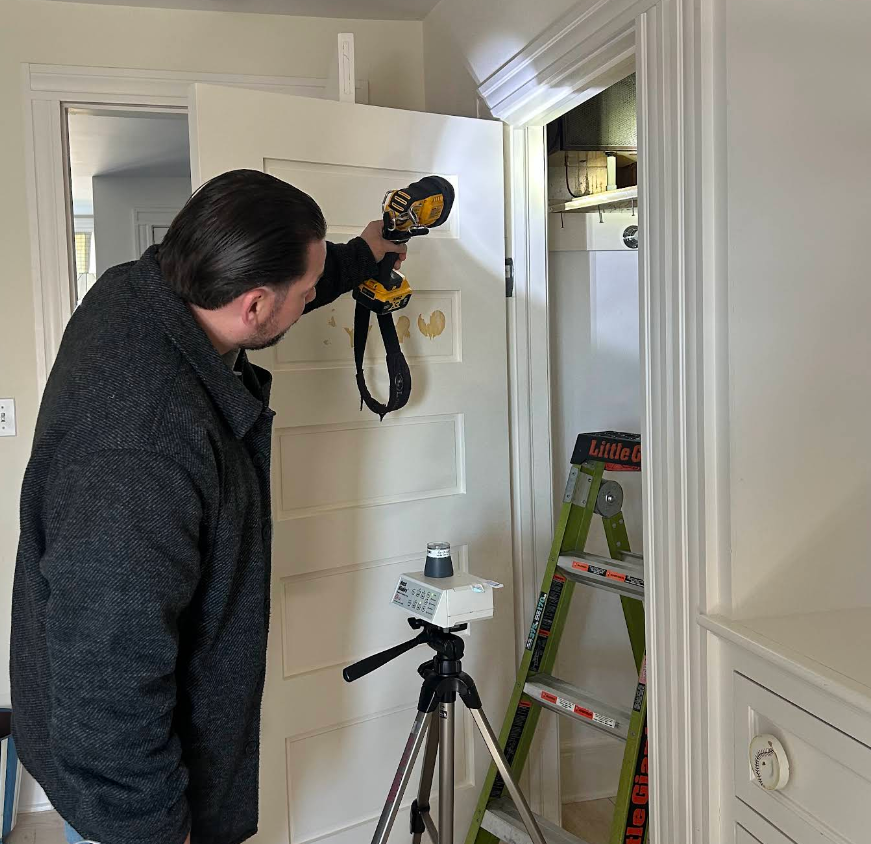
This may include reviewing affected rooms, checking visible water patterns, documenting stained or damaged materials, using thermal imaging when appropriate, and recording areas where moisture concerns appear to be present.
Clear documentation can help property owners avoid guessing. Once the affected areas are better understood, it becomes easier to decide whether the property needs drying, repairs, environmental cleaning, mold assessment, restoration work, or additional investigation.
Our Environmental Documentation & Investigation Process
Review the Concern
Inspect the Affected or Suspect Areas
Use Documentation Tools When Appropriate
Record Visible Conditions and Affected Areas
Prepare Project Notes or Reporting
Help Identify the Next Step
Why Property Owners Choose Us for Environmental Documentation
Focused on Clarity Before Action
The goal is to help property owners understand what is visible, what areas appear affected, and what conditions may need further attention before the next step begins.
Helpful for Complex Property Concerns
Environmental documentation can support situations involving moisture intrusion, water damage, soot residue, mycotoxin concerns, HVAC contamination, odors, staining, or unexplained indoor conditions.
Useful for Project Planning and Communication
Photos, condition notes, thermal imaging references, and reporting can make it easier to communicate with contractors, restoration teams, property managers, adjusters, or other professionals involved in the project.
Local Experience With Long Island Properties
From finished basements and older homes to rental properties, storm-related water entry, HVAC dust concerns, and renovation projects, documentation helps create a stronger starting point for properties across Long Island, NYC, and surrounding areas.
Frequently Asked Questions About Environmental Documentation & Investigations
Thermal imaging can help identify temperature patterns that may suggest hidden moisture or affected building materials. It is useful as part of an investigation, but it should not be treated as the only source of confirmation.