

Controlled Interior Demolition on Long Island, NY
Not every demolition project should be handled like a rough tear-out. When a home has water-damaged materials, renovation debris, dust-sensitive areas, or environmental concerns, the removal process needs more control from the start.
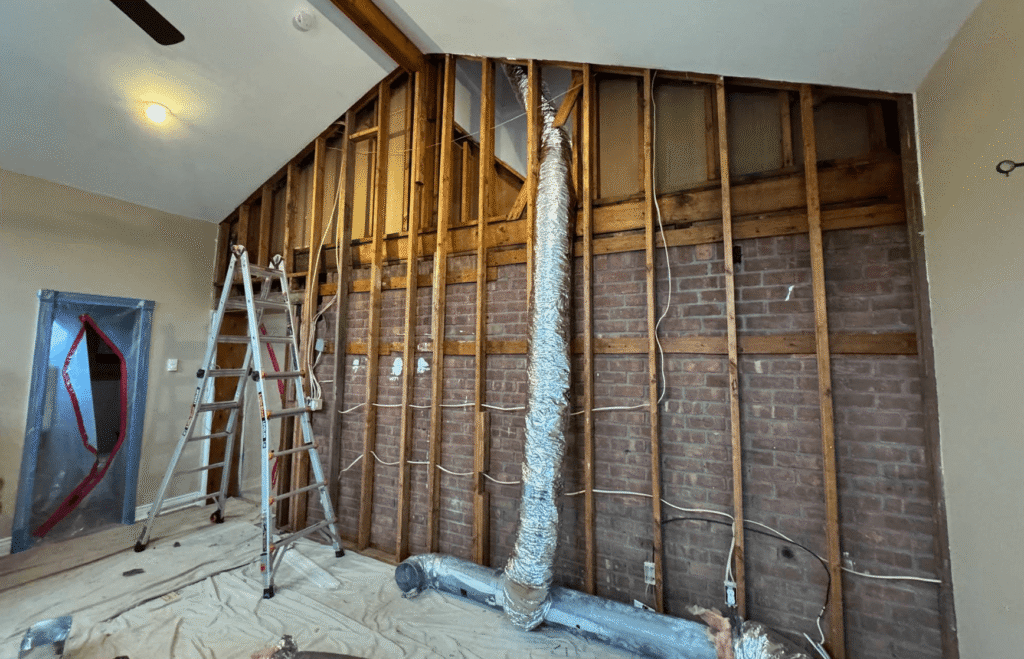
We provide controlled interior demolition and renovation preparation for kitchens, bathrooms, basements, damaged rooms, drywall, flooring, ceilings, insulation, cabinets, fixtures, and water-affected materials. When appropriate, work areas are managed with containment, negative air pressure, HEPA filtration, and dust control measures to help limit the spread of debris and fine particles.
When Demolition Needs More Control Than a Basic Tear-Out
Some interior demolition projects are not just about removing old materials. A kitchen, bathroom, basement, or damaged room may need to be opened up carefully because dust, debris, moisture-damaged materials, or possible contaminants can spread into areas that were not part of the original work zone.
That is where controlled demolition becomes important. Instead of treating the project like a fast tear-out, the work is planned around the condition of the space, the materials being removed, and the areas that need to be protected.
This approach is especially useful when preparing a home for renovation, repairs, drying, environmental cleaning, or follow-up work after water damage. By controlling the work area from the beginning, the property is better prepared for the next step.
Controlled Demolition Is About Protecting the Rest of the Home
Interior demolition can create dust, debris, loose particles, and material fragments that move beyond the room being worked on. In a finished home, that can affect nearby rooms, hallways, HVAC openings, furniture, storage areas, and surfaces that were not part of the project.
Controlled demolition is planned to reduce that risk. Depending on the condition of the space, the work area may be separated with containment, supported with negative air pressure, filtered with HEPA air filtration, and managed with dust control procedures.
The goal is not only to remove materials. The goal is to remove them in a way that helps keep the project area more controlled, limits unnecessary spread, and prepares the space for cleaning, repairs, drying, remediation, or renovation.
Interior Demolition Services We Provide
Kitchen Demolition
Removal of cabinets, countertops, fixtures, flooring, wall materials, and other kitchen components before remodeling, repair, or reconstruction work.
Bathroom Demolition
Removal of vanities, fixtures, tile, flooring, drywall, ceiling materials, and damaged components so the space can be prepared for repair or renovation.
Basement Demolition
Selective removal of basement materials such as drywall, flooring, ceilings, insulation, cabinets, and water-affected components that may be blocking access to repairs or drying work.
Interior Room Demolition
Room-by-room interior tear-out for bedrooms, living areas, offices, utility rooms, or other spaces that need to be opened up for cleaning, repairs, restoration, or remodeling.
Drywall, Flooring, Ceiling & Insulation Removal
Careful removal of specific materials when only certain areas are damaged, outdated, contaminated, or scheduled for replacement.
Cabinet, Fixture & Finish Removal
Removal of built-in cabinets, trim, fixtures, finishes, and attached materials before renovation, rebuilding, or property preparation work.
Water-Damaged Material Removal
Removal of materials affected by leaks, flooding, burst pipes, storm water, or moisture intrusion when those materials cannot remain in place for the next phase of work.
Renovation Preparation
Interior tear-out that helps prepare the space for contractors, cleaning crews, drying equipment, repair work, remodeling, or final reconstruction.
Kitchen, Bathroom & Basement Tear-Outs for Renovation or Recovery
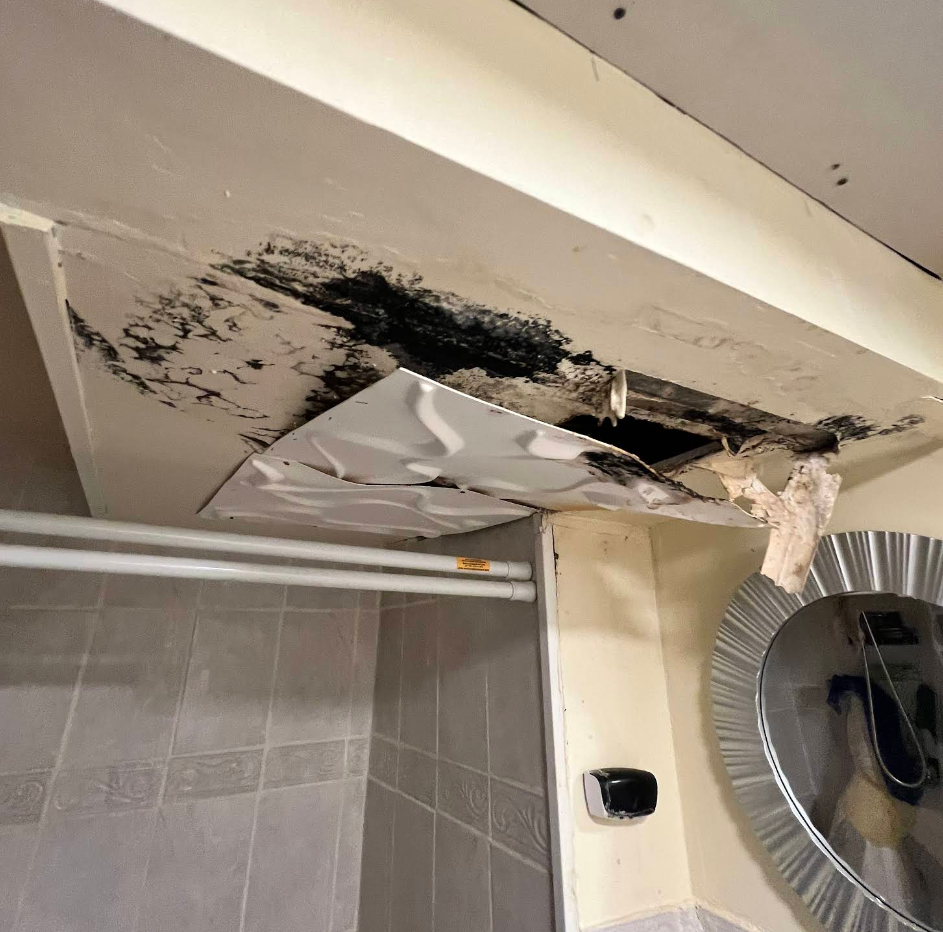
Kitchens, bathrooms, and basements often need more careful demolition because they contain plumbing, cabinets, flooring, wall materials, insulation, fixtures, and areas where moisture problems can hide. A rushed tear-out can create unnecessary dust, spread debris, or disturb materials beyond the area that actually needs to be removed.
Controlled tear-out helps open these spaces in a more organized way. Cabinets, fixtures, flooring, drywall, ceiling materials, and damaged components can be removed so the room is ready for drying, repairs, remodeling, cleaning, or reconstruction.
This approach is useful for planned renovations, water-damaged rooms, basement recovery projects, bathroom leaks, kitchen remodels, and interior spaces that need to be cleared without creating unnecessary disruption throughout the rest of the home.
Our Controlled Demolition Process
Review the Space
Identify Materials for Removal
Set Up Protection When Needed
Remove Materials Carefully
Manage Debris From the Work Area
Prepare the Space for the Next Step
Why Homeowners Choose Us for Controlled Demolition
More Careful Than Standard Demolition
The focus is not just removing materials quickly. The goal is to remove what needs to come out while helping reduce unnecessary dust, debris, and disruption in the rest of the property.
Helpful for Damaged or Sensitive Spaces
Controlled demolition is useful for water-damaged rooms, moisture-affected materials, finished basements, kitchen and bathroom renovations, and interior spaces where dust control matters.
Containment-Focused Approach
Clearing contents first can make it easier to see damage, reach affected areas, remove debris, and prepare the property for the next contractor, inspection, cleanup, or project phase.
Local Cleanout Service Across Long Island & NYC
Cleanout services are available for properties across Long Island, Suffolk County, Nassau County, Queens, NYC, and surrounding areas.
Frequently Asked Questions About Controlled Demolition
Controlled demolition is interior material removal performed with more planning than a basic tear-out. The work focuses on removing the necessary materials while helping manage dust, debris, and the condition of the surrounding space.