
A licensed mold assessment on Long Island is more than a quick look for visible mold. The goal is to identify where mold or moisture problems may be present, determine the extent of the issue, document affected areas, and provide clear next steps if remediation is needed.
In New York, mold assessment is regulated under Article 32 of the New York State Labor Law. Contractors performing mold assessment work generally must hold the appropriate New York State license.
If you are scheduling a mold assessment for a home or commercial property in Nassau County or Suffolk County, here is what you can typically expect.
1. The Assessor Reviews the Property and Your Concerns

The assessment normally begins with a discussion about what has been happening in the property.
You may be asked about:
- Musty or unusual odors
- Previous leaks or flooding
- Roof or plumbing leaks
- Water damage
- Basement or crawlspace moisture
- Recent renovations
- Areas where mold has been seen
- Rooms where moisture repeatedly develops
This information helps the assessor determine where to focus the inspection.
For Long Island properties, moisture problems can come from many sources, including basement seepage, plumbing leaks, roof problems, condensation, humidity, or previous storm-related water intrusion.
2. A Visual Mold and Moisture Inspection Is Performed
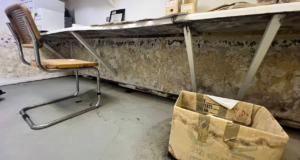
The assessor then examines accessible areas of the property for signs of mold growth and moisture damage.
This may include checking:
- Walls and ceilings
- Basements
- Attics
- Bathrooms
- Kitchens
- Areas around plumbing
- Windows and exterior walls
- HVAC-related areas
- Previously water-damaged materials
Visible mold is only part of the assessment.
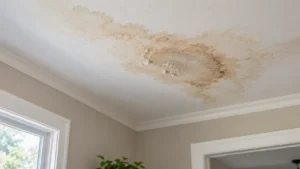
The assessor may also look for staining, damaged drywall, warped materials, peeling finishes, condensation, or other signs suggesting that moisture has been present.
New York State health guidance emphasizes that finding and correcting the moisture source is a key part of addressing mold problems.
3. The Moisture Source Is Investigated

Finding mold without identifying why it developed does not solve the problem.
A licensed mold assessor may investigate potential sources such as:
- Plumbing leaks
- Roof leaks
- Foundation moisture
- Basement seepage
- Poor ventilation
- Condensation
- High indoor humidity
- Water intrusion around windows or doors
- Previous flooding
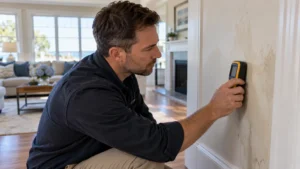
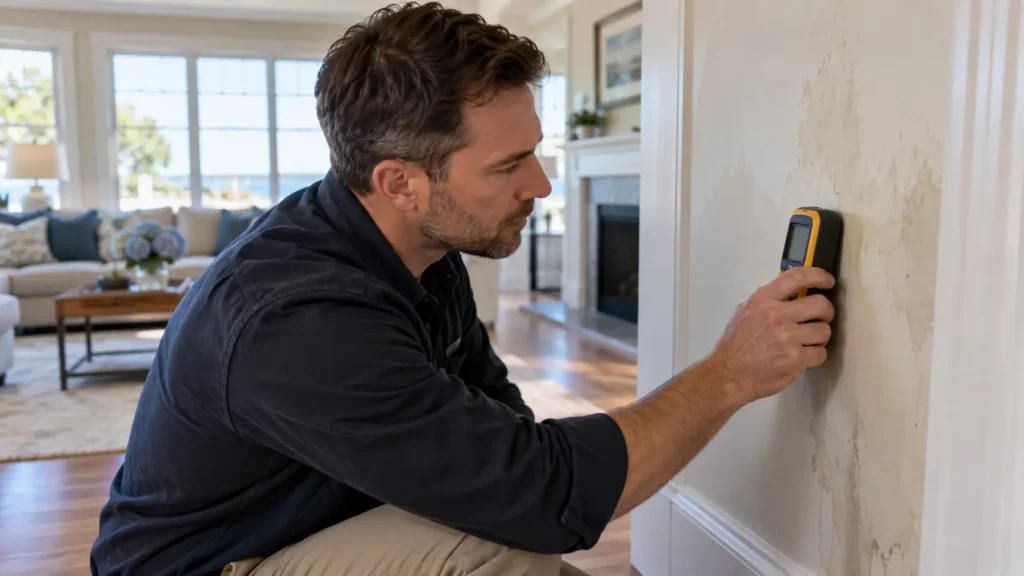
Moisture meters and other inspection tools may be used when appropriate to help identify areas with abnormal moisture conditions.
The objective is to understand both where the problem is and what may be causing it.
4. Mold Sampling May Be Recommended When Appropriate
Not every mold assessment requires air or surface sampling.
In fact, New York State Department of Health guidance notes that mold testing is not always necessary when mold growth is already visible and the moisture problem is known.
However, sampling may be useful in certain situations, such as when:
- There is a persistent musty odor but no obvious mold
- Mold may be hidden
- The extent of contamination is unclear
- Additional documentation is needed
- Indoor conditions need further investigation
- Post-remediation verification requires testing
Depending on the situation, an assessor may recommend air samples, surface samples, or other environmental testing.
Sampling should support the assessment rather than replace a proper inspection.
5. Affected Areas Are Documented
During the assessment, the assessor documents relevant findings throughout the property.
Documentation may include:
- Locations of visible mold
- Areas of moisture damage
- Suspected moisture sources
- Materials affected
- Approximate size of affected areas
- Photographs
- Moisture readings
- Sampling locations, when applicable
This documentation becomes important if remediation is required.
Under New York law, a licensed mold assessment professional performing compensated mold assessment services must provide the client with a written report.
6. Laboratory Results Are Reviewed if Samples Were Collected
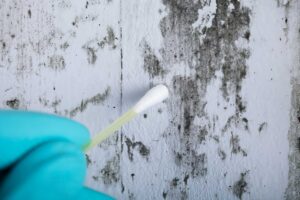
If air or surface samples are taken, they are generally submitted to a laboratory for analysis.
Once results are available, the assessor reviews them together with the conditions observed during the inspection.
Laboratory results should not be interpreted by themselves.
A useful mold assessment considers:
- Inspection findings
- Moisture conditions
- Visible damage
- Property history
- Sample results, when applicable
The goal is to understand the overall condition of the property rather than focus on one number or mold species.
7. You Receive a Written Mold Assessment Report
After the assessment is complete, the property owner should receive documentation explaining what was found.
Depending on the property and findings, the report may identify:
- Areas where mold was observed or suspected
- Moisture-related conditions
- Materials that may require attention
- Recommended corrective actions
- Areas requiring mold remediation
- Additional investigation that may be needed
The report gives the homeowner or property manager a clearer picture of the problem before remediation begins.
8. A Mold Remediation Plan May Be Prepared
When remediation is necessary, the licensed mold assessor may prepare a remediation plan describing what needs to be addressed.
The plan can establish the scope that the remediation contractor follows.
Under New York law, a mold assessment license holder performing assessment for a remediation project prepares an analysis before remediation begins, while the remediation contractor develops the work plan describing how that remediation will actually be performed.
This distinction helps keep the assessment and remediation processes clearly defined.
Why Use a Licensed Mold Assessor on Long Island?
A professional assessment provides more than confirmation that mold is present.
It helps establish:
- Where the affected areas are
- How extensive the problem appears to be
- What moisture condition may be causing it
- What materials may need remediation
- What should happen before repairs or reconstruction begin
Schedule a Licensed Mold Assessment on Long Island
If you have visible mold, unexplained musty odors, previous water damage, or concerns about moisture inside your property, the first step is understanding the extent and source of the problem.
All Island Mold Inspectors provides mold assessments and environmental inspection services for homes and commercial properties throughout Long Island, including Nassau County and Suffolk County.
A thorough assessment can help you understand what is happening, what areas are affected, and what steps may be needed next.
Contact All Island Mold Inspectors to schedule a mold assessment on Long Island.