
Not always.
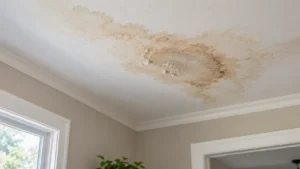
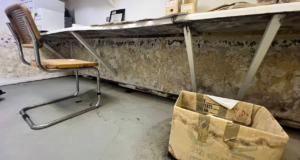
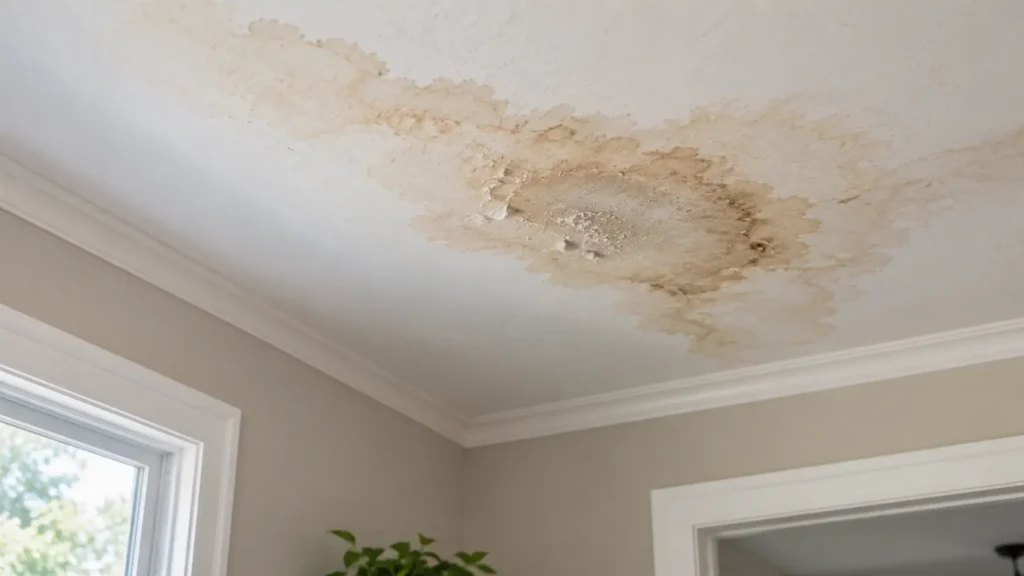
If mold is already clearly visible, you usually do not need laboratory testing just to confirm that mold exists. The U.S. EPA states that in most cases, visible mold growth does not require sampling. What matters more is understanding how much of the property is affected, what caused the moisture problem, whether other areas may be involved, and what needs to happen next.
That is where a professional mold assessment can still be useful.
For Long Island property owners, the question is often not simply, “Is this mold?” It is:
- Why is it growing here?
- How far does the problem extend?
- Is moisture still present?
- Could there be hidden growth nearby?
- Is testing useful in this situation?
- What needs to be addressed before remediation begins?

Visible Mold and Mold Testing Are Not the Same Thing
Seeing mold and understanding the full mold problem are two different things.
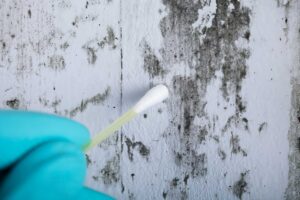
If you can clearly see mold-like growth on drywall, wood, ceiling material, or another surface, sending a sample to a laboratory may not change the obvious fact that the affected area needs attention.
EPA guidance says routine sampling is generally unnecessary when mold is already visible. It also notes that there are no federal limits for airborne mold or mold spores that can be used to determine whether a building “passes” or “fails” a federal mold standard.
But visible growth does not tell you everything.
You may still need to determine:
- The size of the affected area
- Whether moisture is still present
- What caused the moisture
- Whether nearby materials are affected
- Whether mold may be hidden behind finished surfaces
- What scope of remediation is appropriate
That is why a mold assessment can be more useful than simply ordering a mold test.
When Mold Testing May Not Be Necessary
There are situations where laboratory testing may add little useful information.
For example, you may have a clearly visible area of mold after a known plumbing leak.
If you already know:
- Where the water came from
- Which materials became wet
- Where visible growth is located
- That the damaged area needs to be corrected then identifying the exact type of mold may not change what needs to happen.
The more important priorities are usually to address the water problem, determine the extent of affected materials, and properly deal with the mold.
EPA guidance similarly emphasizes that when mold is visible, the focus should be on determining the extent of the affected area and evaluating the moisture problem that allowed it to develop.
When Mold Testing Can Still Be Useful
Visible mold does not mean testing is never useful.
There are situations where sampling can provide information that supports a broader mold assessment.
You Suspect Mold in Other Areas
The visible area may not be the only affected location.
For example, you may see mold on one section of a basement wall but also notice a musty odor in another room.
Testing may be considered when the source of the concern is unclear or when additional information could affect the investigation.
The key question is:
Will the test result help answer something important about the property or change what happens next?
If the answer is yes, testing may be useful.
There Is a Musty Odor but No Visible Growth Nearby
Sometimes the visible mold is easy to identify, but another area of the property has an unexplained odor.
That may justify a closer inspection for:
- Hidden moisture
- Previous water damage
- Mold behind finished materials
- Problems around HVAC components
- Moisture inside wall or ceiling assemblies
You Need Documentation

Testing may also be useful when documentation is needed.
Examples can include:
- Real estate transactions
- Rental or property management concerns
- Larger remediation projects
- Disputes involving property conditions
- Verification after corrective work
In these situations, the goal is not simply to prove that a visible patch is mold. The information may be needed as part of a larger assessment or documentation process.
Mold Testing vs. Mold Assessment: What Is the Difference?
Mold Testing
Mold testing generally refers to collecting samples that are analyzed for mold.
Depending on the situation, this can include:
- Air samples
- Surface samples
- Other samples considered appropriate for the investigation
Testing provides information about the samples that were collected.
Mold Assessment
A mold assessment looks at the larger problem.
It may involve:
- Reviewing the history of leaks or water damage
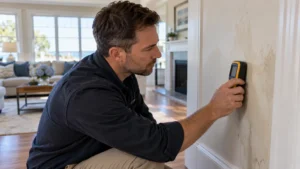
- Inspecting visible conditions
- Looking for potential moisture sources
- Evaluating areas where mold may be present
- Determining the extent of affected areas
- Deciding whether sampling is useful
- Documenting findings
- Establishing what may need remediation
For many homeowners who can already see mold, the assessment is more important than simply confirming the visible growth with a laboratory test.
For more information read our article about Mold Inspection vs. Mold Testing in New York: Which One Do You Actually Need?
Why Finding the Moisture Source Matters
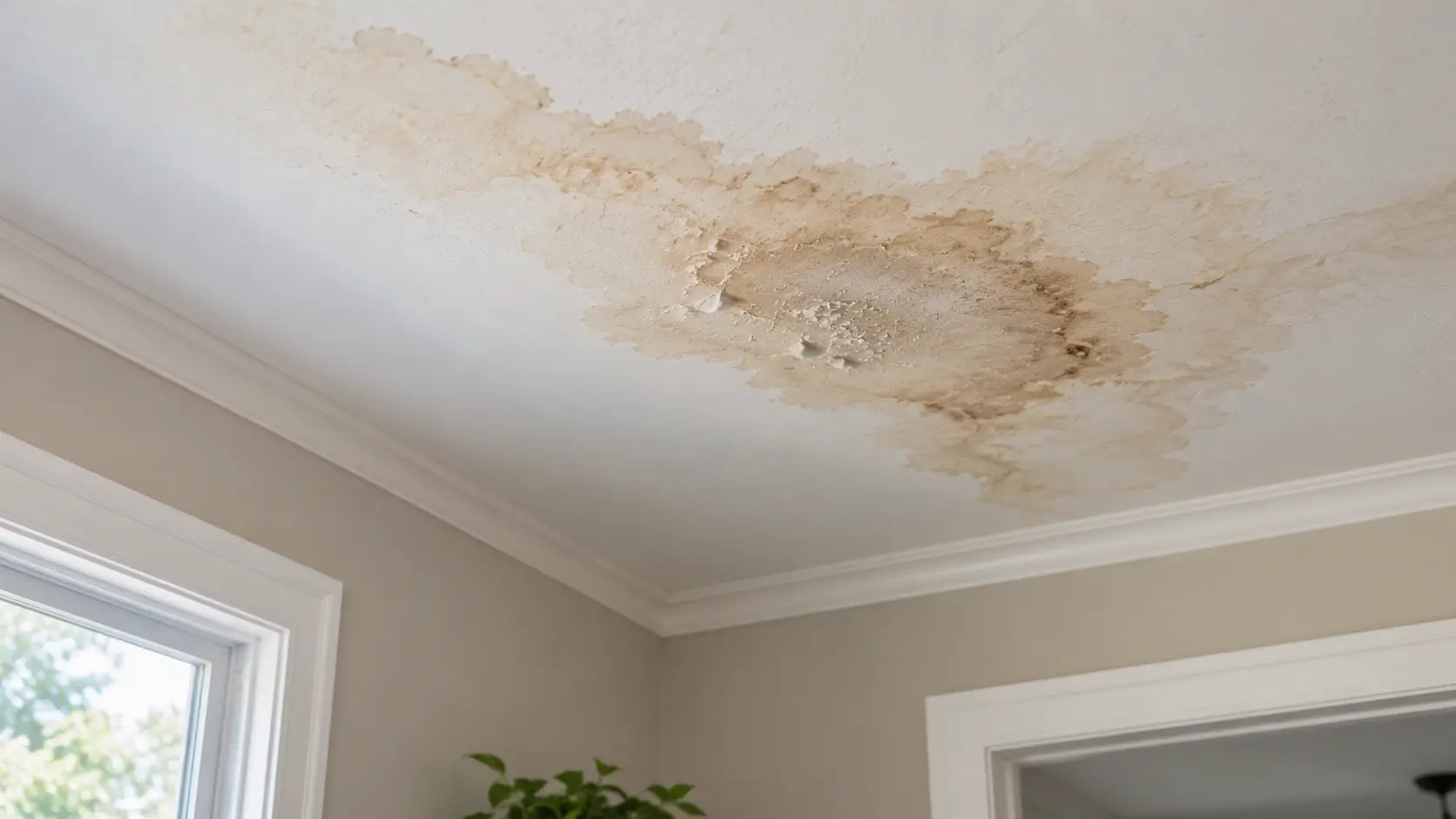
Mold growth is usually a sign that moisture has been present.
Cleaning the visible surface without addressing the reason it became wet may not solve the problem.
Possible moisture sources include:
- Plumbing leaks
- Roof leaks
- Basement seepage
- Window leaks
- Appliance failures
- Condensation
- Previous flooding
- Exterior water intrusion
- High moisture levels in certain areas
There may also be hidden wet materials nearby.
EPA guidance recommends evaluating the water or moisture problem that allowed mold to grow because areas of hidden mold may exist around the visible affected area.
That is why a good inspection should not stop at asking what type of mold is present.
It should also ask:
Why is mold growing here in the first place?
Need Help Understanding a Visible Mold Problem on Long Island?
If you can already see mold, the first question is not necessarily whether you need more testing.
The more useful questions are why the mold developed, how much of the property is affected, whether moisture is still present, and what needs to happen next.
All Island Mold Inspectors provides mold assessments and testing for homeowners, property owners, buyers, sellers, and property managers across Long Island.
If the extent or source of the problem is unclear, schedule an assessment to get a better understanding of the conditions before moving forward with remediation.